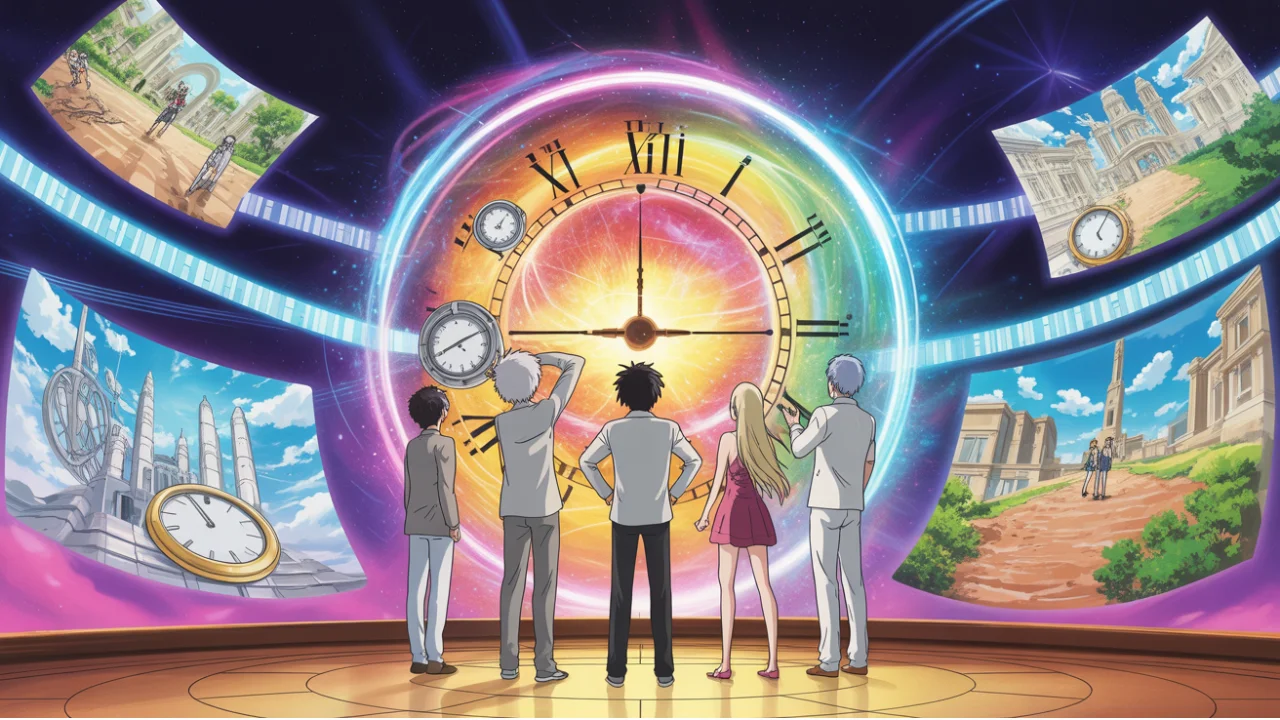
I love immersing myself in stories full of paradoxes, suspense, and drama. Here I present awards and ratings, scenes that move me, and the science fiction rules behind time travel. I explain how I choose the must-sees based on plot, characters, and paradoxes. I also give my marathon recommendations for those who want to binge-watch without losing their breath. Among protagonists who travel through time, Takemichi Hanagaki It's a case study that's worth reading.
Best Anime About Time Travel!
I love it when an anime plays with time without losing the story's focus. Here I've gathered titles that made me think about choices, consequences, and that extra second that changes everything. If you enjoy this theme, there's emotion, memorable scenes, and endings that generate debate for days. Let's get to the best titles, without further ado. For fans of time-travel romances, it's worth checking out... romance anime movies.
Best time travel anime
I seek out works that explore the heart of the relationship between time and choices. Time can be a tool or a villain, and with each leap the consequences become clearer: what you do today transforms someone's tomorrow. The soundtrack helps to feel time passing or accelerating. When the focus is on friendship, family, or love, the challenge becomes even greater, because everything that happens in the past echoes in the present. Small, simple actions create a domino effect that is worth more than saving the world.
For those seeking emotion with simplicity, it's worth keeping an eye out for titles that highlight the construction of everyday choices regarding time. The visuals, with colors that change according to mood, help demonstrate that time can be both modest and impactful. If you enjoy captivating stories, you'll find a balance between expectation and surprise here, with endings that leave room for further reading.
Awards and grades
Awards and ratings serve as a map of what has stood out, without relying solely on hype. When I see recognition, I'm inspired by what the work delivers: originality, characters that go beyond mere set pieces, and endings that respect the journey. Well-executed plot twists avoid easy solutions. Even with less-than-perfect scores, the charm lies in how time is explored and the revelations that gradually emerge. I look for consistency: a solid script, consistent animation, and memorable scenes. In the end, awards help filter what is well done and give me the confidence to binge-watch. To understand recognition trends, it's worth consulting the [references to relevant sources/references]. Oscar nominated films.
Quick recommendations
- For dramas with a touch of fantasy, look for the emotional consequences of returning to the past.
- For action with precise timing, look for series that use time as a narrator, not just as a setting.
- For food for thought, choose titles that leave questions unanswered after the credits roll.

Time paradoxes in anime
I love how time paradoxes affect me. In many cases, someone goes back to the past to correct a mistake, and everything changes again, generating a web of consequences. Paradoxes need clear rules to maintain logic, often with limits on what can or cannot be changed and how actions in the past affect the present. Small decisions create big effects, almost like a domino effect of memory. Furthermore, guilt and responsibility make the characters more human and the story more memorable.
To understand how this theme is addressed in pop culture, see Takemichi Hanagaki.
Types of paradoxes in anime: time paradoxes
- Causal loop: the future returns to alter the past, repeating the cycle.
- Butterfly effect: small changes in the past cause big changes in the present.
- Paradox of self-knowledge: the character knows what will happen, which conflicts with their actions in the present.
Classic and verified examples
Well-constructed stories often use time travel to reveal things about oneself, with variations that offer new interpretations with each attempt. Encounters with different versions of oneself or other people create déjà vu and maintain curiosity. Distinct timelines, where each choice generates a parallel path, offer strong moral dilemmas and clarity for the audience to follow the changes.
How paradoxes change the plot.
When paradox enters the picture, the story changes direction: the goal isn't always just to fix the past, but to accept the consequences. The best narratives explore guilt, regret, and the attempt to improve without guarantees of success, giving human weight to what seems magical. Relationships between characters gain new interpretations, and time can reinforce the importance of friendships, mentors, and love. With responsibility, time becomes a character with layers.
Suspense and tension in time travel anime!
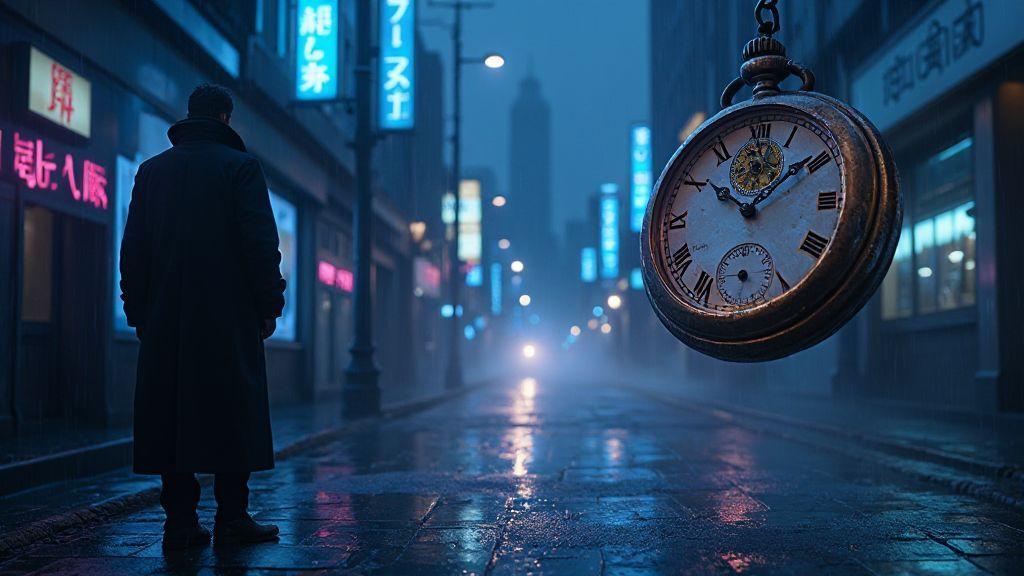
Suspense arises from uncertainty: each decision can change everything or just a little. Attention is focused on details, such as clocks that run slow or clues that subtly reappear. The soundtrack accelerates at key moments, and the dilemma of risking everything creates a sense of urgency. Clear rules help maintain the pace, preventing mistakes from seeming easy to justify.
The secret lies in balancing the known with the unknown. Sometimes we know what might happen, but not how; other times, we know how, but not when. This game keeps the pace brisk and avoids repetition. When science fiction meets human emotion—losses, regrets, and hopes—the suspense becomes more believable. The essential thing is to feel that every choice matters, without making everything inevitable.
Elements that create suspense in time travel anime.
- A decision clock with real weight.
- Consequences that emerge over time, not always immediately.
- Moral debates about whether or not to change the past.
- Secrets that emerge when the weather settles down.
- Small choices that cause big effects.
- Clear rules about what is allowed during the weather.
- The antagonist could be time itself or someone who controls the rules.
- Scenarios that take you back in time with intense visual effects.
Time-travel anime that grab your attention.
The most captivating titles combine action with introspection. The cast has strong personalities, with clear motivations for fighting against time. Well-executed plot twists keep the next episode a challenge, without losing the thread of the story. The continuity is impressive: different timelines seem to be part of a single narrative.
Key scenes that evoke emotion.
- Revelations that saving someone can cost you something else valuable.
- Silent moments, with gasping breaths, before a new outcome.
- Decisions that demonstrate that growing through one's own choices is more important than simply winning.
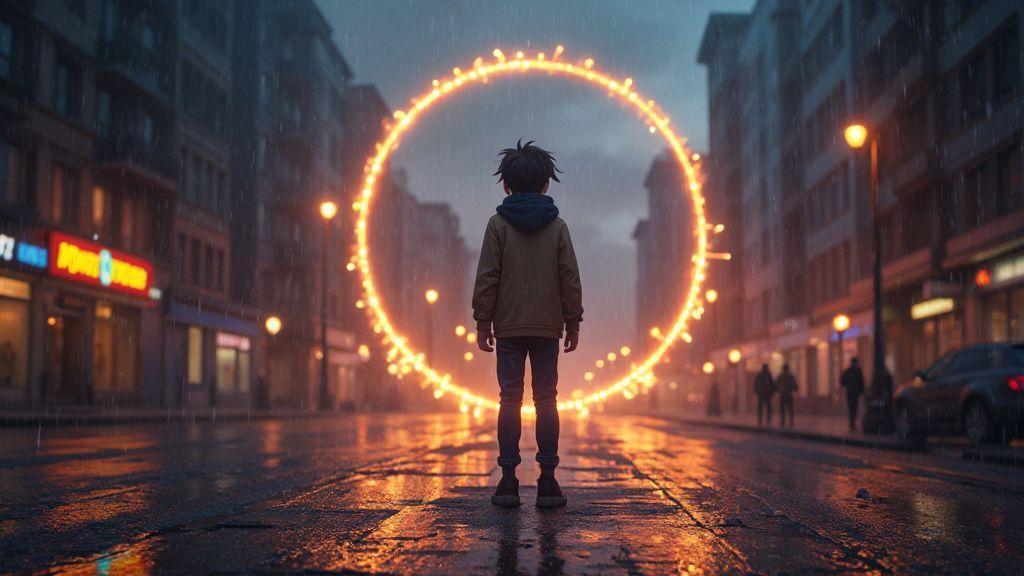
Drama and emotion in time travel anime.
The drama intensifies when every choice can affect the future. Empathy for the weight of the decisions comes hand in hand with the vulnerability of the characters, who carry guilt, regret, and hope. The soundtrack acts as a second emotional pulse, and moments of silence gain meaning. Time becomes a mirror for humanity, showing how simple choices still weigh heavily in the end.
In this vein, the narrative values vulnerability, not just spectacle. The tone is human: losses, recoveries, and the idea that time waits for no one. The result is intense drama with an emotional impact that lingers after each episode. The balance between science, emotion, and responsibility keeps the stories relevant.

Personal conflicts and relationships
- Internal conflicts: choosing between correcting a mistake or protecting someone you love.
- Challenges between pride and reconciliation, with the fear of losing someone.
- Relationships gain a voice when time alters the course of events.
Relationships drive the journey through time: friendships that defy the impossible, romances that confront the fear of loss, and family ties that attempt to repair past mistakes. These bonds give weight to choices and help shape the temporal journey.
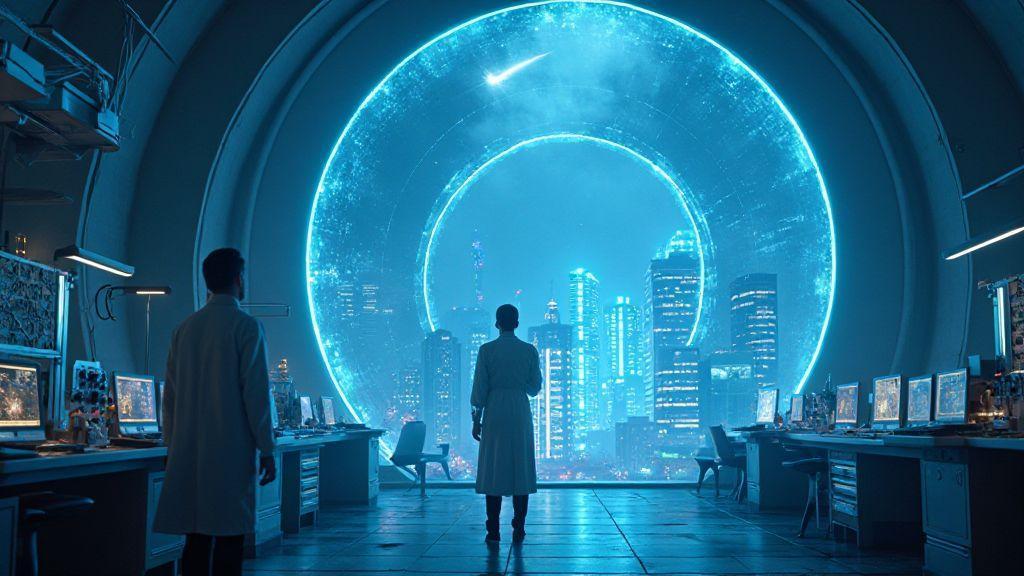
Science fiction and the rules of time travel.
Time travel needs clear rules to avoid becoming a jumble of illogical situations. Each work defines its own set of laws: can the past change the present? Is time continuous or are there non-linear jumps? Explanations, even simple ones, help maintain immersion.
Observing how works handle paradoxes avoids plot holes. If something changes in the past, do we have a new timeline or is the existing one altered? The explanation, even if accessible, gives weight to the narrative and facilitates empathy with the cast. The scientific tone can be subtle, as long as the consequences remain consistent.
Furthermore, the timeline—which can be flexible only at certain moments or constantly governed by fixed rules—sets the tone of the work. If the internal mathematics of time is easy to follow, the story becomes easier to follow. When everything fits together, science and fantasy intertwine credibly.
Scientific foundations in anime: science fiction time travel
I'm trying to understand how the work uses science to justify the journey. Concepts like time dilation, wormholes, or parallel universes appear, with explanations that help support the fantasy without demanding scientific perfection. Observing how the narrative deals with consequences helps to accept the idea of time travel as part of the story, not just a technical trick.
The clarity of the rules, the consistency of the consequences, and the right tone maintain plausibility. When the internal mathematics of time are coherent, the audience follows the plot with less distraction. The balance between plausible science, fantasy, and emotion is what keeps the reader connected to the story.
Consistency and suspension of disbelief
Consistency is essential: rules must be applied uniformly until the end. Abrupt changes without justification undermine interest. Suspension of disbelief works when the narrative shows real consequences of choices over time, without easy tricks. Tone, pacing, and visuals help sustain time travel, even with less technical explanations.
How do I assess plausibility?
- Clarity of the rules.
- Consequences of actions over time.
- Internal consistency of the story.
Visual or scientific references that underpin the journey help maintain immersion. Humor, emotion, and the characters' journey also make the experience engaging, even without understanding all the physics.

How I choose must-see time travel anime
For me, a good story has weight: a strong hook, real consequences, and promises that unfold throughout the plot. The protagonist must make mistakes and deal with the consequences, maintaining the appropriate tone, whether drama or humor. The visual construction is important: striking art direction, color changes according to the plot, and scenes that seem to shift time without confusing the viewer. A well-balanced soundtrack guides the tension without disrupting the rhythm. If the music is in the right tone, the anime navigates the time travel while maintaining the humanity of the cast.
Finally, I research audience reception and the consistency of the concept. Time travel anime often explore paradoxes: what happens if you change the past? Does the future change too? I hope for answers, or at least hooks that invite reflection. If the plot delivers on that, it's worth the marathon. To expand your repertoire, explore the... romance anime movies.

My criteria: plot, characters, and paradoxes.
- A plot with a beginning, middle, and end that fit together like puzzle pieces.
- Characters with real motivations, noticeable flaws, and growth throughout the story.
- Paradoxes with clear rules and elegant solutions, without easy loopholes.
Lists by genre: anime, plots, mind-blowing
- Action and adventure: races against time with fast-paced battles and time jumps.
- Drama and fiction: time as the weight of existence, exploring loss and difficult choices.
- Mystery and suspense: clues in time and enigmas that are revealed little by little.
- Slice of life with a temporal twist: focusing on relationships and subtle changes brought about by short trips.
- Comedy: humor that engages with the rules of the temporal universe.
- Anime about time travel! (highlight): when time itself becomes a character, with distorted memories and choices that reverberate into the future.
Quick tips for marathons
Plan blocks of 45 to 60 minutes, with short breaks to rest your mind. Write down what you learn from each journey—characters that evolve make time more conscious. Mark scenes with paradoxes to review later and keep the timeline on track. Leave time for discussions: discussing the characters' choices helps clarify doubts about time.